
The situation in 2000
The Netherlands signed the Cologne treaty of 1999 and is a founding member of Europe's Defence Union. Wim Kok's purple coalition governs a prosperous, tolerant country - and a Rotterdam professor named Pim Fortuyn is beginning to say what others will not.
16
2
3
16m
75%
0%
3
12
Resources
Navy
18 ships
- Destroyers4
- Frigates10
- Submarines4
Air force
140 aircraft
- Fighters140
Ideologies and leaders
In power on 1 January 2000: Wim Kok (Labour Party (PvdA)). Every leader below can come to power in TND, through the elections, coups and roads of its focus tree.
Democratic
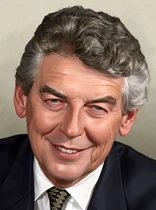 In power, 2000
Wim Kok
Social Democracy
Labour Party (PvdA)

Jan Peter Balkenende
Conservatism

Wouter Bos
Social Democracy
Communist
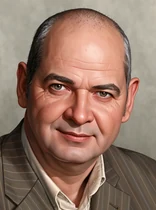
Jan Marijnissen
Marxism
Socialist Party
Fascist

Hans Janmaat
Fascism
Centre Democrats
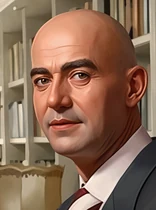
Pim Fortuyn
Fascism
Non-Aligned
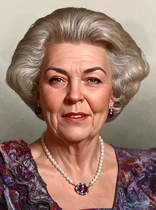
Beatrix
Moderatism
Monarchy
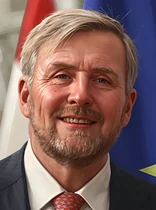
Willem-Alexander
Absolute Monarchy
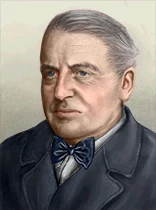
Marten Hoogvliet
Despotism
The focus tree
Netherlands's own tree has 269 focuses. It opens with The Dutch Economy, The Low Countries, The Dutch Way, The Royal Netherlands Forces, A Small, Big Army, The Kingdom in the World and more. By kind: political (165), historical (148), industry (73), army xp (31). Taking every focus, one after another, would take about 32 years - the roads are exclusive, so a playthrough sees only part of it.
Drag to pan, Ctrl + scroll to zoom, click a focus for its description and rewards. Focus names in the guides below jump to it.
Loading the tree...
Path guides
How to reach each of Netherlands's roads. The same guides are in game, as free decisions in the Netherlands Path Guide category.
The Tweede Kamer
How the Netherlands' tree works:
The Kamer has 150 seats in nine groups; a cabinet needs 76 (the Tweede Kamer decisions show every party's seats). After each election the parties talk, and a band of coalitions opens side by side: each can be chosen only if its parties' seats add up to 76. A cabinet without 76 governs as a minority.
The voters' mood moves with the cabinet's record (Tour the Polders) and is spent at each election, a seat a point.
The Purple Years and the Four Cabinets
How the Netherlands' politics go:
Kok's Purple cabinet is the trunk: four lines run down to the election of 2002, and with it the Fortuyn shock. The new Kamer decides who may govern: the Balkenende cabinet (the Christian Democrats largest; historical), Fortuyn's (his list largest, if he lived), the Left's (Labour largest) or, if the talks fail, the Crown's by royal decree. Taking one closes the others.
The economy, the water, the army and the Kingdom are branches of their own. Elections are called by focus, never by the calendar.
Something Hidden
Some roads grow out of the old Netherlands:
One from the murder of Van Gogh, or from the stadtholder question in the Crown's cabinet; one from the Dutch economy's annual report. Each replaces the government. Only one can open; the AI never takes one when historical focuses are on.
Mechanics
How Netherlands's own systems work. In game: the Netherlands: Mechanic Guide decisions.
The Tweede Kamer
The Dutch parliament has 150 seats in nine groups: Labour, the Liberals, the Christian Democrats, Democrats 66, GreenLeft, the Socialists, the List Pim Fortuyn, the Freedom Party and the small parties. A cabinet is a lead party and its partners, and needs 76 seats.
Where it is: the Tweede Kamer decisions show every party's seats, the cabinet's seats and the voters' mood. A cabinet with fewer than 76 governs as a minority: less political power and stability, and a motion of no confidence now and then.
What moves it: elections (called by focus) take seats from the rival party for every point of the voters' mood, plus luck; Tour the Polders raises the mood, scandals and crises lower it; Win Over Defectors takes seats from the small parties. Before 2002, if Fortuyn lives, the Rally decisions send voters from his list to Labour, the Christian Democrats or the Liberals.
What it does: after each election a band of coalitions opens side by side, and each can be chosen only if its parties' seats add to 76. In 2002 the largest party gets the first call: the Christian Democrats (Balkenende), the List (Fortuyn) or Labour (Bos). If no coalition can govern, or the talks are declared failed, the Queen names a cabinet by decree.
Partners: the Court decisions try to bring another party into the cabinet (a refusal can be asked again after half a year); Break With ends a partnership.