
The situation in 2000
Eduard Shevardnadze's Georgia left the Soviet Union in peace and kept every region: Abkhazia, South Ossetia and Adjara answer to Tbilisi in name. Russian bases remain, Aslan Abashidze runs Batumi as his own, and Moscow's Gathering of the Lands has Georgia on its list.
1
0
0
4.4m
-
-
2
8
Ideologies and leaders
In power on 1 January 2000: Eduard Shevardnadze (Citizens' Union of Georgia). Every leader below can come to power in TND, through the elections, coups and roads of its focus tree.
Democratic
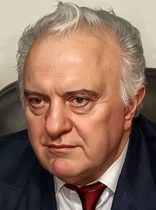 In power, 2000
Eduard Shevardnadze
Conservatism
Citizens' Union of Georgia
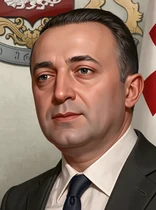
Irakli Garibashvili
Social Democracy
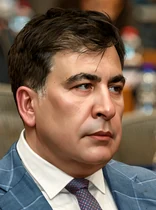
Mikheil Saakashvili
Liberalism
Communist
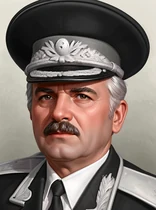
Panteleimon Giorgadze
Marxist-Leninist
United Communist Party of Georgia
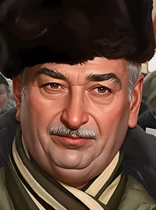
Yevgeny Dzhugashvili
Marxism
Fascist
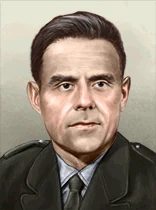
Guram Sharadze
Fascism
Language, Homeland, Faith
Non-Aligned
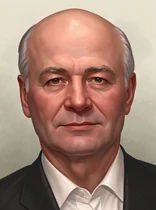
Aslan Abashidze
Despotism
Union of Democratic Revival
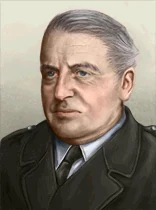
Gela Kakhetelia
Despotism
The focus tree
Georgia's own tree has 373 focuses. It opens with Shevardnadze's Georgia, Sukhumi, Tskhinvali, Batumi, Zugdidi, Akhalkalaki and more. By kind: historical (242), political (181), industry (119), army xp (73). Taking every focus, one after another, would take about 30 years - the roads are exclusive, so a playthrough sees only part of it.
Drag to pan, Ctrl + scroll to zoom, click a focus for its description and rewards. Focus names in the guides below jump to it.
Loading the tree...
Path guides
How to reach each of Georgia's roads. The same guides are in game, as free decisions in the Georgia Path Guide category.
The Patchwork State
How Georgia's tree works:
The tree is the map. Seven regions - Abkhazia, South Ossetia, Adjara, Samegrelo, Samtskhe-Javakheti, Kakheti and Imereti - each have a branch, with their economy, their army and their politics, and each has a loyalty to Tbilisi (0-100, the Regions decisions). Court a region or send it a governor by decision; its branch ends in a choice between winning it over and holding it down.
Tbilisi's Reach, the average loyalty, is the state's strength: above 50 political power and stability, below 50 the reverse. Russia's Gathering of the Lands pulls Abkhazia, South Ossetia and Javakheti away every month. Abkhazia or South Ossetia at 0 breaks away under Russian protection; Adjara at 0 becomes Abashidze's fief until it is back at 50.
November 2003
How Georgia's politics go:
- Play Shevardnadze's last years in Tbilisi, the short spine in the middle: the Citizens' Union, Saakashvili's photographs and the National Movement, and Kmara, the Silk Road, the Moscow channel and the pact with Batumi.
- is decided by who holds the regions: Tbilisi's Reach at 45 or more brings the Rose Revolution (Saakashvili, historical); below 45, with Adjara at 30 or less, Abashidze's Revival takes Tbilisi as Moscow's friend; below 45 otherwise, the nationalists of the Kartvelian Front take a crumbling state and put it back together by force.
Elections are called by focus, never by the calendar.
The Governments
Each stitches the patchwork back its own way:
: the patrol police, Bendukidze's sale and the flat tax, the Adjara revolution, autonomy offers, and a new army; the Beacon of Liberty.
Abashidze's Revival: the Russian bases stay (Abkhazia, South Ossetia and Javakheti come back), Gazprom's gas, the Collective Treaty, the guard in Tbilisi and the regions bought; .
The Kartvelian Front: a national guard, the language law, the Church state, and the marches on Sukhumi, Tskhinvali and Batumi (wars if the regions have broken away); .
Something Hidden
Some roads grow out of the regions:
A society of pensioners in a museum in Gori, and a feast in Telavi that will not end. Each opens from its region's branch and replaces the government. Only one can open; the AI never takes one when historical focuses are on.
Mechanics
How Georgia's own systems work. In game: the Georgia: Mechanic Guide decisions.
Russia's Gathering of the Lands
Russia wants back what it lost in 1988, one land at a time: Ukraine's east and Crimea, Belarus, Kaliningrad, Transnistria, Georgia's Abkhazia and South Ossetia, Narva, Latgale, a corridor through Lithuania and northern Kazakhstan.
The steps, at least a year apart: Compatriots (our stability falls), the Gas Weapon (give in, or hold out and risk an Energy Crisis), Little Green Men (Russia gains claims and our state is destabilised) and finally a Referendum or Union Treaty. A referendum or union is only accepted by a land that is weak, at war with Russia or gave in to the gas weapon: keep your stability up and do not give in.
Demands: once Russia's track has reached the gas weapon it can demand one state at a time. Cede it, refuse (Russia gains a war goal) or appeal to the West, which backs you with a guarantee or makes you give way.
Russian Provocation is your shield: every Russian step raises it. At 25 the West sanctions Russia; at 50 every land Russia wants is guaranteed by the West; at 75 a Russian war lets the Defence Union or NATO intervene.
Gas: if Russia cuts you off you suffer an Energy Crisis (consumer goods up, stability and factory output down). The Energy Security decisions - Emergency Rationing, Fill the Storage, Reverse Flow From the West, An LNG Terminal, Nuclear and Coal - lift it over months. Prepare before the cut, not after.
The Regions
Seven regions, each with a loyalty to Tbilisi (0-100): Abkhazia (35), South Ossetia (45), Adjara (25), Samegrelo (50), Samtskhe-Javakheti (45), Kakheti (65) and Imereti (60). Tbilisi's Reach, their average, is shown in The Regions decisions.
Above 50 the Reach gives political power and stability; below 50 it takes them.
Russia's Gathering pulls Abkhazia, South Ossetia and Javakheti away every month. Abkhazia or South Ossetia at 0 breaks away under Russian protection; Adjara at 0 becomes Abashidze's fief until it is back at 50.
Decisions: Court a region, or send it a Governor. Each region's branch moves its loyalty and ends in a choice between winning it over and holding it down.
is decided by the Reach: 45 or more brings the Rose Revolution.