
The situation in 2000
Italy is a founding pillar of the federal Europe and a member of its untested Defence Union, but its governments rarely last a year: keep the Revolving Door turning, or watch the coalition fall. Giuliano Amato's centre-left holds Rome until the election of 2001, which chooses the road: Silvio Berlusconi, the richest man in the country and the owner of half its television, with his House of Freedoms; the Olive Tree under Romano Prodi, home from Brussels; Umberto Bossi's Northern League and Padania; or the right alone under Fini or the Duce's granddaughter. A pizza, a pope, a family and an eagle are waiting.
40
12
5
58m
80%
70%
4
20
Resources
Army
16 divisions
- Armoured2
- Mechanised5
- Infantry3
- Airborne1
- Marines1
- Mountain2
- Garrison2
Navy
28 ships
- Carriers1
- Destroyers4
- Frigates16
- Submarines7
Air force
280 aircraft
- Fighters120
- Close air support60
- Strike aircraft100
A Founder of the Defence Union
Italy stood with France and Germany when America and Britain went into Yugoslavia in 1993, and condemned the intervention at the UN. As NATO fell apart, Rome joined the push for a federal Europe: the euro with its joint economic government, and in 1999 a seat among the six founders of the European Defence Union.
Ideologies and leaders
In power on 1 January 2000: Massimo D'Alema (Democrats of the Left). Every leader below can come to power in TND, through the elections, coups and roads of its focus tree.
Democratic
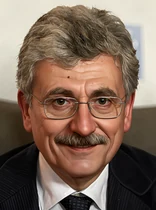 In power, 2000
Massimo D'Alema
Social Democracy
Democrats of the Left
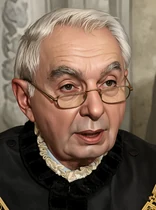
Giuliano Amato
Social Democracy
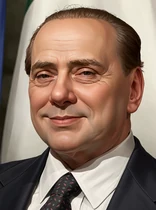
Silvio Berlusconi
Conservatism
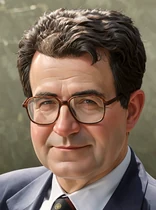
Romano Prodi
Social Democracy
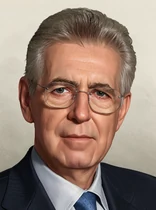
Mario Monti
Centrism

Enrico Letta
Liberalism
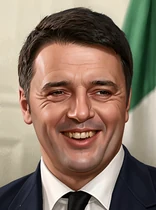
Matteo Renzi
Social Democracy
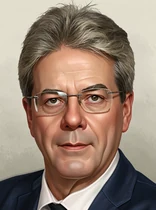
Paolo Gentiloni
Social Democracy
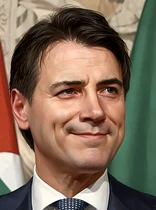
Giuseppe Conte
Populism
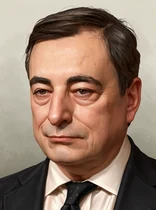
Mario Draghi
Centrism

Giorgia Meloni
Conservatism

Francesco Rutelli
Liberalism
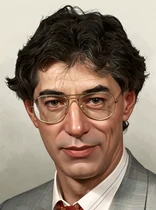
Umberto Bossi
Populism
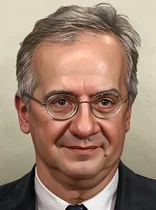
Walter Veltroni
Liberalism
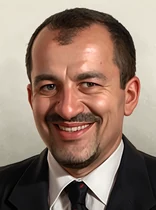
Roberto Maroni
Populism
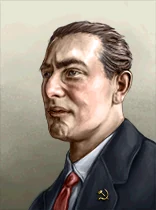
Gennaro Esposito
Populism
Communist
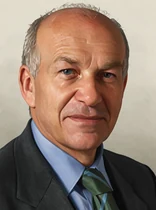
Fausto Bertinotti
Marxism
Communist Refoundation Party
Fascist
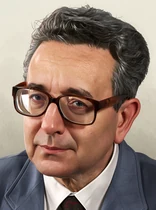
Pino Rauti
Fascism
Tricolour Flame
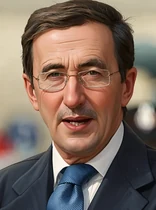
Gianfranco Fini
Fascism

Alessandra Mussolini
Fascism
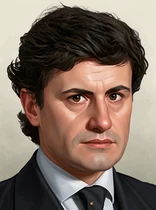
Gianni Alemanno
Fascism
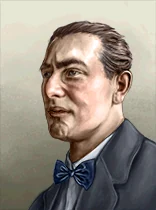
Lucio Valerio Ferrante
Emperor Fascism
Non-Aligned
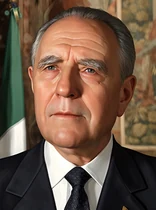
Carlo Azeglio Ciampi
Moderatism
President of the Republic
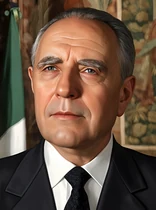
Carlo Azeglio Ciampi
Centrism
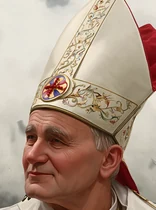
John Paul II
Absolute Monarchy
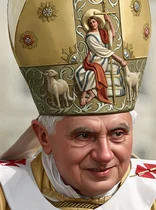
Benedict XVI
Absolute Monarchy
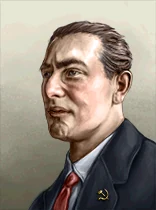
Don Vito Scalia
Moderatism
The focus tree
Italy's own tree has 707 focuses. It opens with The Revolving Door, The Debt Mountain, The Crash of 2008, The New Model Defence, Italy in the World, The Italians and more. By kind: political (478), historical (312), industry (145), army xp (84). Taking every focus, one after another, would take about 54 years - the roads are exclusive, so a playthrough sees only part of it.
Drag to pan, Ctrl + scroll to zoom, click a focus for its description and rewards. Focus names in the guides below jump to it.
Loading the tree...
Path guides
How to reach each of Italy's roads. The same guides are in game, as free decisions in the Italy Path Guide category.
The Election of 2001
How Italy's politics begin:
- Play Amato's year from : call on the seven powers behind Rome (Confalonieri's telephone, the Secretary of State, Cofferati, D'Amato, the small firms of the North, Borrelli's pool and Provenzano's pizzini); each line of the year hangs from the power it feeds. No focus is tied to a date.
- needs every line of these months finished.
- The balance of powers decides which roads are open: the House of Freedoms (Berlusconi) if the Cavaliere's television and Confindustria weigh at least as much as the unions and the magistrates (and always if no other road is open); the Olive Tree (Prodi) with the Desistance Pact if they do not; the Northern League (Bossi) with the Padanian Parliament and the North at 45; the right alone (Fini or Alessandra Mussolini) with and the television down to 45. The first focus of each changes the government. The other roads disappear.
Elections are called by focus, never by the calendar. With historical focuses on, the AI takes Berlusconi's road.
The Powers Behind Rome
The signature mechanic:
Seven powers, each with an influence from 0 to 100, shown in the Powers Behind Rome decisions: the Cavaliere's television (political power), the Church (stability), Confindustria and the unions (factory output, one against the other), the North (road building), the Octopus (it slows every building site) and the magistrates (they cost the government political power). Each works above 50 and against it below.
Focuses move them, and so do the decisions: court a power at its rival's expense, or curb it. A power at 65 or more makes demands now and then; refusing costs it influence.
A power at 55 opens its line in the Powers Behind Rome branch; three finished lines open .
A power that wins outright opens a hidden road from inside its government's: the television the Pizza Crusades, the Church the Papal State, the Octopus the Mafia State, the magistrates the Roman Republic. At 70 when the moment comes, or later at 75 by decision.
The Revolving Door
The signature mechanic:
Coalition stability, from 0 to 100, shown in the Revolving Door decisions. Above 50 the government gains stability and political power; below 50 it loses them.
It drains by itself, a point a month, and with every scandal, strike, defection and budget fight with the Union. Focuses restore it, and so do the decisions: buy off the allies, a reshuffle, a confidence vote (two times in three it works), a technocrat, the RAI shared out, the omnibus budget.
At zero the government falls: a snap election returns the majority under a new leader, or a caretaker government of experts takes over for a year. Either costs stability and political power.
, or , halves the drain.
Italy in the World
Foreign policy:
Italy is a founding member of the federal Union, with the euro run by a joint economic government, and of the European Defence Union founded at Cologne in 1999 under German leadership. NATO is down to America, Britain and Canada.
The Mediterranean is Italy's: Libya and its oil, gas and migrants, Albania across the strait, the Balkans and the Levant. Russia courts Rome with gas and contracts; the Vatican is across the Tiber; and the Union needs Italy's votes and its debt kept in order.
The House of Freedoms Wins
The historical road:
Berlusconi governs from 2001 with Bossi, Fini and Casini: the media empire as the state, the laws made for his trials, the Contract's reforms, the Diaz school, Tremonti's amnesties and Europe's Kapo. The first term's end needs every line.
The election of 2006 (Prodi's twenty-four thousand votes, historically, or the Cavaliere holds on), then 2008 (the Cavaliere returns, historically, or ); the bunga-bunga years, the spread at five hundred and Monti's technocrats; and 2013 (Enrico Letta's grand coalition, historically, or the Cavaliere's fifth comeback). Every election is called by focus.
Something in the Cavaliere's media empire may open a crusade nobody expected.
The Olive Tree Holds
The centre-left road:
Open it with the Desistance Pact. Prodi comes home from Brussels and makes Italy Europe's champion inside the federal Union: euro discipline, the Union's budget, the Mediterranean Fund asked of Berlin, the conflict-of-interest law and a stable Italy, if the coalition from Mastella to Bertinotti holds together. The first term's end needs every line.
The election of 2006: the Olive Tree returns (and Prodi hands over to Veltroni's Democratic Party) or the Cavaliere takes his revenge.
The Vatican is across the river, and may decide it has waited long enough.
The Northern League
The League's road:
Open it with the Padanian Parliament. Bossi takes Rome: devolution and its referendum, the hard line on migration, Rome the thief and the Southern Question, the Sun of the Alps, the little firms, the Union as a superstate, and Bossi's stroke of 2004 (Maroni may take over).
needs every line. is called by focus: the League holds the North, or Prodi governs two years until the election of 2008 brings the League back.
The second term settles the Padanian Question: a federal Republic, or - a peaceful Padanian Confederation governed from Milan, or a war of secession against President Ciampi's loyal Republic in Rome and the South.
In the South, someone else has been governing for a long time.
The Right Alone
The right's road:
Open it with . Fini's National Alliance governs: the Eternal City, law and order and Genoa, the presidential republic, closed ports, the social right, the foibe and Salò, national service and the Mediterranean.
: Fini holds the centre (Fiuggi completed, , the party of the nation) or Alessandra Mussolini takes the party and builds the social state, with no coalition left.
needs every line; the Election of 2006 by focus (or Prodi's two years and 2008); then , the elected presidency and a Europe of nations. Claims only; no war goal on this road.
Rome was an empire once.
Something Hidden
Some roads are hidden:
A pizza may cross an ocean, a pope may take back his state, a family may stop pretending, and an eagle may return to the Capitol.
The family: on the League's road, when the Fund for the South is closed, hear out the gentleman from Palermo. The eagle: on the right's road, invite Professor Ferrante to the Capitol; the Roman Republic's war goals in Africa and the Adriatic come only in a tense world.
Each opens from inside one of the roads, and replaces it. Only one hidden road can open. The AI never takes one when historical focuses are on.
Mechanics
How Italy's own systems work. In game: the Italy: Mechanic Guide decisions.
The Powers Behind Rome
Seven powers, each with an influence from 0 to 100, in decisions. Each helps above 50 and hurts below: the Cavaliere's television (political power; starts 55), the Church (stability; 50), Confindustria and the unions (factory output, one against the other; 45 each), the Octopus (the stronger, the slower every building site; 35), the North (infrastructure building; 30) and the magistrates (the stronger, the less political power for the government; 50).
Court a power (50 political power: +8, its rival -4) or curb it (75: -8, its rival +3, -1% stability), every 120 days. Rivals: the television and the magistrates, the unions and Confindustria, the Church against the television, the Octopus against the magistrates, the North against the Octopus. Over a hundred focuses shift them too.
A power at 65 or more makes demands now and then: granting gains it influence, refusing loses it. A power at 55 opens its own line in branch; three finished lines open .
goes to the powers: the House of Freedoms needs the television plus Confindustria at least equal to the unions plus the magistrates; the Olive Tree needs the Desistance Pact and the reverse; the League the North at 45; the right alone the television at 45 or less.
A power that wins outright (70 when the moment comes, or 75 later by decision) can open a hidden road.
The Revolving Door
Coalition stability, from 0 to 100 (starts 40), in decisions: up to +10% stability and +15% political power at 100, and as much lost at 0.
It drains a point a month (every other month after or ), and with crises: a scandal, a general strike, a defection, the Union's budget, the small party's price, a notice of investigation.
Decisions: Buy Off the Allies, A Cabinet Reshuffle, Call a Confidence Vote (two times in three +12, else -10), Bring in a Technocrat, Share Out the RAI, The Omnibus Budget.
At zero the government falls: a snap election returns the majority under a new leader, or a caretaker government of experts takes over for a year. Either costs stability and political power.