
The situation in 2000
The Caucasus left the Soviet Union peacefully in 1987, and there was no Karabakh war: Nagorno-Karabakh is still an autonomous region of Azerbaijan, and Armenia claims it. Robert Kocharyan's Karabakh clan governs Yerevan, the diaspora pays for its roads, and Russia keeps a base at Gyumri.
1
0
0
3.1m
-
-
2
2
Ideologies and leaders
In power on 1 January 2000: Robert Kocharyan (Independent). Every leader below can come to power in TND, through the elections, coups and roads of its focus tree.
Democratic
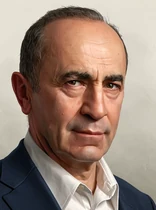 In power, 2000
Robert Kocharyan
Independent
Independent
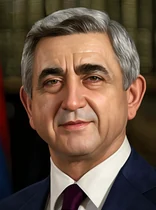
Serzh Sargsyan
Conservatism
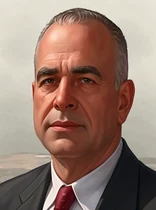
Raffi Hovannisian
Liberalism
Communist
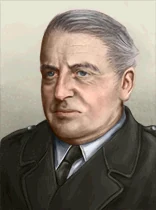
Vladimir Darbinyan
Marxism
Armenian Communist Party
Fascist
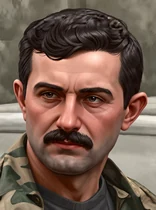
Samvel Babayan
Fascism
Nagorno-Karabakh Defence Army
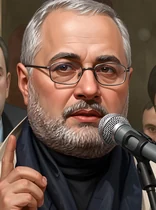
Vahan Hovhannisyan
Fascism
Non-Aligned
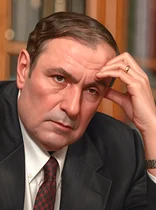
Levon Ter-Petrosyan
Moderatism
Independent (former President)
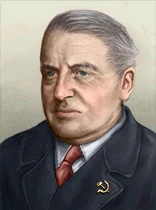
King Tigran III
Absolute Monarchy
The focus tree
Armenia's own tree has 163 focuses. It opens with The Karabakh Question, The Armenian Economy, The Crash Comes to Yerevan, The Armenian Armed Forces, Complementarity, The Armenian People and more. By kind: historical (99), political (88), industry (47), army xp (28). Taking every focus, one after another, would take about 30 years - the roads are exclusive, so a playthrough sees only part of it.
Drag to pan, Ctrl + scroll to zoom, click a focus for its description and rewards. Focus names in the guides below jump to it.
Loading the tree...
Path guides
How to reach each of Armenia's roads. The same guides are in game, as free decisions in the Armenia Path Guide category.
The Election of 2003
How Armenia's politics begin:
- Play Kocharyan's first term from : the gunmen's trial, Babayan's volunteers, Raffi Hovannisian, Ter-Petrosyan's silence, the oligarchs, the A1+ affair and the Council of Europe. No focus is tied to a date.
- needs every line of these years finished.
- The road is counted by Diaspora and Clan (the decisions of that name: 0 the diaspora's money, 100 the Karabakh clan's guns, starting at 55): Hovannisian's Western road at 30 or less, the Karabakh clan's volunteers at 70 or more, Kocharyan re-elected (historical) between. The first focus of each changes the government and the President. The other roads disappear.
Babayan's volunteers, the oligarchs and the A1+ affair push towards the clan; Hovannisian, Strasbourg and Ter-Petrosyan towards the diaspora; so do the telethon, Kerkorian's roads, volunteers to the front and the clan's markets. The meter is also a spirit: money and research towards the diaspora, war support and the army towards the clan. Elections are called by focus, never by the calendar. With historical focuses on, the AI re-elects Kocharyan, then Serzh Sargsyan in 2008.
The Karabakh Front
The signature mechanic, shared with Azerbaijan:
No war was fought: Karabakh is an autonomous region of Azerbaijan, and Armenia claims it. One bar between War and Peace, the same on both sides, in the Karabakh Front decisions. Azerbaijan's choices move it too.
At 70 towards Peace, offers Baku a settlement (refused offers can be made again); Azerbaijan may offer its own. A settlement closes the front for both.
At 25 or less, Miatsum gives a war goal for Karabakh, once the world is tense enough. Holding Karabakh, decide: the Republic of Artsakh, or union.
Armenia in the World
Foreign policy:
Complementarity: Russia's ally (the base at Gyumri, the lease extended or an army of our own), Iran's friend, the West's partner.
Turkey can turn the protocols down; the offer can be made again by decision. When Russia's Gathering of the Lands reaches Georgia, Armenia can send supplies.
Kocharyan's Second Term
The historical road:
The Caucasian boom, Russia's gas for Armenia's property, the constitution of 2005, the Republican machine and the opposition's rallies.
needs every line: Serzh Sargsyan (historical) or Levon Ter-Petrosyan and his peace.
The Karabakh Clan
The volunteers' road:
The clan at 70 or more in 2003: Babayan takes the state. The volunteers in the ministries, the Dashnaks' Armenian Cause, Karabakh mobilised, the generals' monopolies.
needs every line: Babayan's garrison state, or Vahan Hovhannisyan's Dashnaks.
A speech at Khor Virap, with Ararat behind the speaker, may go further than planned.
The Western Road
Heritage's road:
The clan at 30 or less in 2003: Hovannisian wins. Clean elections and courts, the West as a partner (advisers and lend-lease, not membership), the Turkish border, a peace of the brave and a free economy.
needs every line: Hovannisian again, or Ter-Petrosyan.
Something Hidden
One road is hidden:
Inside the Karabakh clan's road, a historian with a parchment. It opens from inside that road and replaces it. The AI never takes it when historical focuses are on.
Mechanics
How Armenia's own systems work. In game: the Armenia: Mechanic Guide decisions.
Diaspora and Clan
A meter from 0, the diaspora's money (Los Angeles, Marseille, Beirut, and the West behind them), to 100, the Karabakh clan's guns (the veterans who run Yerevan), in the Diaspora and Clan decisions. It starts at 55: Kocharyan's clan governs.
Its spirit gives money, research and Western goodwill towards the diaspora, war support and the army towards the clan, more the further from 50.
Decisions: The Hayastan Fund's Telethon and Kerkorian's Roads (towards the diaspora); Volunteers to the Front and The Clan's Markets (towards the clan). Babayan's volunteers, the oligarchs and the A1+ affair push towards the clan; Hovannisian, Strasbourg and Ter-Petrosyan towards the diaspora.
is counted: Heritage's Western road at 30 or less, the Karabakh clan's volunteers at 70 or more, Kocharyan's second term between.
The Karabakh Front
In this world there was no Karabakh war: the Caucasus left the Soviet Union peacefully in 1987, and Nagorno-Karabakh is still an autonomous region of Azerbaijan with an Armenian majority, which Armenia claims. The quarrel is a front of a colder kind - committees, militias, blockaded roads and talks without end.
Where it is: the Karabakh Front decisions. Armenia and Azerbaijan each have a bar between War and Peace, and every change made by either country moves both bars by the same amount, so they always read the same.
What moves it: towards Peace, the Minsk Group's talks, open roads and money for Stepanakert's schools (Armenia) or oil money for Stepanakert (Azerbaijan); towards War, rallies and parades, closing the Lachin road, arms purchases and the militias of both trees' focuses.
What it does: at 70 towards Peace either side can offer a settlement (Armenia's Key West Principles, Azerbaijan's Peace for Karabakh). A refused offer can be made again by decision. A settlement closes the front for both countries for good, and opens the Meghri railway.
Towards War: at 40 or less Azerbaijan can abolish the autonomy; at 25 or less Armenia's Miatsum gives a war goal for Karabakh and Azerbaijan's Zangezur Ultimatum a war goal on Armenia - but only once the world is tense enough. Armenia, holding Karabakh, can then proclaim the Republic of Artsakh or unite it with Armenia.
How to play it: Peace pays slowly and safely; War is a gamble on world tension and on who has the bigger army. Watch what the other side's decisions are doing to the shared bar.