
The situation in 2000
Viktor Orban's first government rules a Hungary outside both the European Union and its Defence Union. Three million Hungarians live beyond borders drawn at Trianon in 1920, and every step Budapest takes towards them strains a neighbour.
8
1
0
10m
70%
60%
3
7
Resources
Air force
40 aircraft
- Fighters40
Free in 1987
Hungary left the Warsaw Pact in February 1987 as the Soviet bloc collapsed around Chernobyl. Since 1987 Hungary has watched the Hungarians of Transylvania win their autonomy inside the Romanian Union.
Ideologies and leaders
In power on 1 January 2000: Viktor Orbán (Fidesz). Every leader below can come to power in TND, through the elections, coups and roads of its focus tree.
Democratic
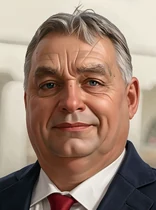 In power, 2000
Viktor Orbán
Conservatism
Fidesz
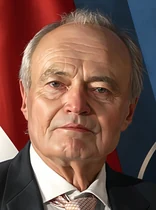
Peter Medgyessy
Social Democracy
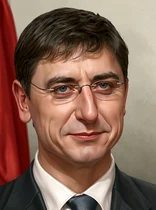
Ferenc Gyurcsany
Social Democracy
Communist
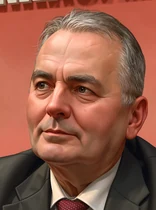
Gyula Thürmer
Marxist-Leninist
Hungarian Workers' Party
Fascist
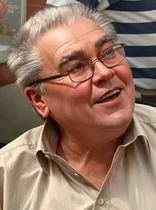
István Csurka
Fascism
Hungarian Justice and Life Party (MIÉP)
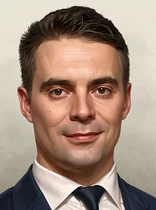
Gabor Vona
Fascism
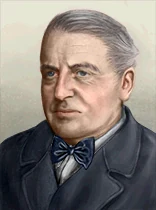
Bela Arpad
Fascism
Non-Aligned
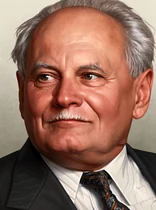
Árpád Göncz
Moderatism
Independent (ex-SZDSZ)
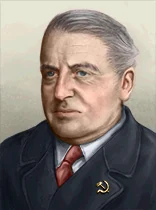
Istvan Horthy
Absolute Monarchy
The focus tree
Hungary's own tree has 365 focuses. It opens with The Felvidek, Erdely, The Delvidek, Karpatalja, The Hungarian Economy, The Honved and more. By kind: historical (269), political (219), industry (98), army xp (48). Taking every focus, one after another, would take about 27 years - the roads are exclusive, so a playthrough sees only part of it.
Drag to pan, Ctrl + scroll to zoom, click a focus for its description and rewards. Focus names in the guides below jump to it.
Loading the tree...
Path guides
How to reach each of Hungary's roads. The same guides are in game, as free decisions in the Hungary Path Guide category.
The Nation Beyond the Border
How Hungary's tree works:
Three million Hungarians live outside Hungary. Four kin branches - the Felvidek in Slovakia, Transylvania, the Delvidek in Serbia and Zakarpattia in Ukraine - raise the kin policy (0-100, the Nation Beyond the Border decisions). Every step strains the neighbour concerned; the policy gives stability, war support and political power, and costs trade opinion.
Each branch ends in a choice: autonomy by agreement with the neighbour, or a claim on the land itself.
The Diamond
How Hungary's politics go:
Orban's first government (1998-2002) ends in the Election of 2002, which splits two ways: the Socialists (Medgyessy, then Gyurcsany and the Oszod speech; historical) or Fidesz holding on for eight more years.
Both sides swing back to the rung of 2010, drawn beneath them, which splits again: Orban's illiberal return with two-thirds (historical) or Jobbik. Elections are called by focus, never by the calendar.
Something Hidden
Some roads grow out of the nation's memory:
One from Jobbik's doctrine of the Holy Crown; one from the kin policy, if it reaches 90 under a national government. Each replaces the government. Only one can open; the AI never takes one when historical focuses are on.
Mechanics
How Hungary's own systems work. In game: the Hungary: Mechanic Guide decisions.
The Nation Beyond the Border
Trianon left three million Hungarians outside Hungary. The kin policy (0-100, starts 35), shown in decisions, measures how far Budapest reaches for them.
Four kin branches raise it - the Felvidek (southern Slovakia), Transylvania, the Delvidek (Vojvodina) and Zakarpattia - and every step strains the neighbour concerned.
The policy is a spirit: stability, war support and political power up, trade opinion down.
Decisions: The Illyes Foundation, The Hungarian Standing Conference, Reassure the Neighbours.
Each branch ends in a choice: autonomy by agreement with the neighbour, or a claim on the land itself, which raises world tension.