
The situation in 2000
Poland left the Warsaw Pact in February 1987 as Chernobyl's rebellion spread, and is now in the European Union and the euro - but outside the European Defence Union, and with NATO gone, its security rests on Brussels alone. Jerzy Buzek's government pushes painful reforms while President Aleksander Kwaśniewski, a former communist, heads the state.
15
3
4
39m
-
-
3
19
Resources
Army
17 divisions
- Armoured3
- Mechanised7
- Infantry2
- Airborne1
- Mountain1
- Garrison3
Navy
7 ships
- Destroyers1
- Frigates3
- Submarines3
Air force
240 aircraft
- Fighters180
- Strike aircraft60
The First to Leave
In February 1987, as Chernobyl's rebellion spread through Ukraine, Poland left the Warsaw Pact. Free, Poland joined the European Union and the euro - but not the European Defence Union. With NATO gone and Russia to the east, Warsaw looks to Brussels for its security, and wonders whether it will be enough.
Ideologies and leaders
In power on 1 January 2000: Jerzy Buzek (Solidarity Electoral Action (AWS)). Every leader below can come to power in TND, through the elections, coups and roads of its focus tree.
Democratic
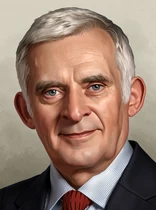 In power, 2000
Jerzy Buzek
Conservatism
Solidarity Electoral Action (AWS)
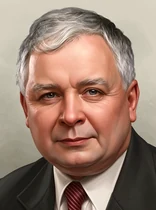
Lech Kaczyński
Conservatism
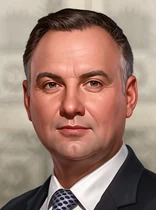
Andrzej Duda
Conservatism
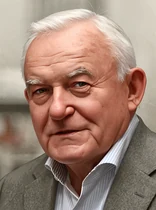
Leszek Miller
Social Democracy
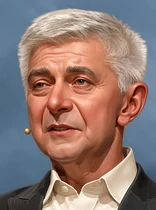
Marek Belka
Social Democracy
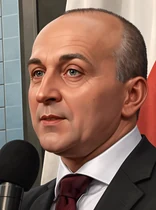
Kazimierz Marcinkiewicz
Conservatism
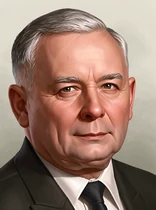
Jarosław Kaczyński
Conservatism
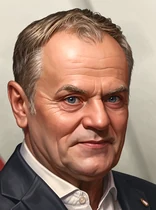
Donald Tusk
Liberalism
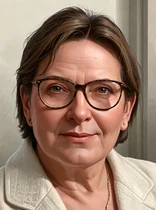
Ewa Kopacz
Liberalism
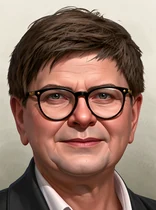
Beata Szydło
Conservatism
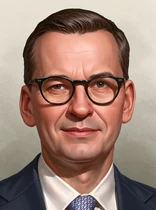
Mateusz Morawiecki
Conservatism
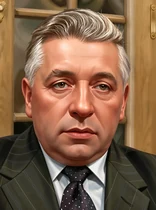
Andrzej Lepper
Populism
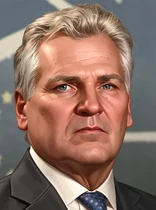
Aleksander Kwasniewski
Liberalism
Communist
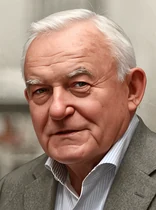
Leszek Miller
Marxism
Democratic Left Alliance (SLD)
Fascist
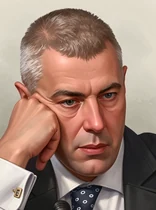
Roman Giertych
Fascism
All-Polish Youth / National Party
Non-Aligned
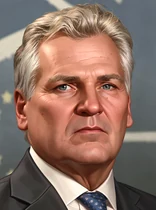
Aleksander Kwasniewski
Centrism
Independent (ex-SLD)
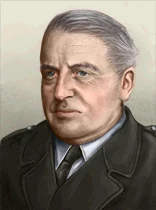
Jan Zamoyski-Wroblewski
Absolute Monarchy
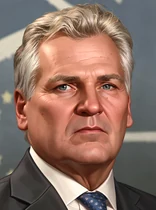
King Aleksander I
Absolute Monarchy
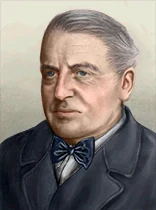
King Jan IV Sobieski-Kowalski
Absolute Monarchy
King Vytautas III
Absolute Monarchy
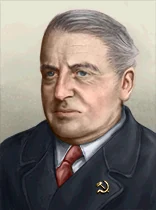
King Rudolf I
Absolute Monarchy
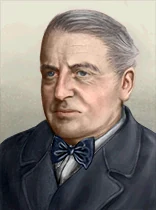
King Stanislaw III
Absolute Monarchy
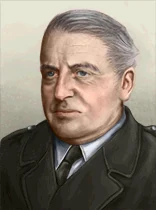
General Jan Kmicic
Junta
The focus tree
Poland's own tree has 382 focuses. It opens with Between Berlin and Moscow, Westward, Eastward, Balcerowicz's Poland, The Crash Comes to Warsaw, The Polish Armed Forces and more. By kind: political (220), historical (161), industry (106), army xp (56). Taking every focus, one after another, would take about 36 years - the roads are exclusive, so a playthrough sees only part of it.
Drag to pan, Ctrl + scroll to zoom, click a focus for its description and rewards. Focus names in the guides below jump to it.
Loading the tree...
Path guides
How to reach each of Poland's roads. The same guides are in game, as free decisions in the Poland Path Guide category.
The Election of 2001
How Poland's politics begin:
- Play Buzek's last years from : the four reforms, the coalition's collapse, the presidential election of 2000, the farmers' blockades, the Democratic Left, , Jedwabne, the accession talks and Bauc's hole. No focus is tied to a date.
- needs every line of these years finished.
- The road is counted, not chosen, by the Two Camps (the meter between the post-communists, 0, and Solidarity's heirs, 100; the Two Camps decisions) and the Berlin-Moscow bar: Lepper's Self-Defence if the villages revolted () and the camps stand between 40 and 60; else, under 50, Kwasniewski's Europe if the President founded his party or the bar leans 20 towards the West, otherwise (historical); else, at 50 or more, the Kaczynskis' Law and Justice. Buzek's right loses 8 points at the election.
Buzek's years move the camps (the left gathers, the right splits); so do Open the Files, the Spirit of the Round Table and . Elections are called by focus, never by the calendar. With historical focuses on, the AI elects Miller, then Law and Justice in 2005.
Between Berlin and Moscow
The signature mechanic:
One bar between the West (Berlin, the Union and its army) and the East (Russian gas and markets), in the decisions. It starts a little towards the West.
Towards the West: industry and stability, and needs it 30 towards the West; at the far end Poland is Berlin's junior partner and pays in political power.
Towards the East: cheap gas and political power; at the far end Poland is Finlandised. In the middle, the army and the nation are on guard.
Russia's Gathering of the Lands pushes Poland west, and opens Lend-Lease and Military Advisers decisions for every land it targets.
The tree is split like the map: the West half (Westward: the Weimar Triangle and the Defence Union, America, Kyiv's advocate, the hard line on Russia, the missile shield; capstone ) and the East half (Eastward: the Yamal pipeline, Lithuania, the Poles of the East, Kaliningrad, a dialogue with Moscow; capstone the Eastern Partnership). The deeper a focus, the further the bar must lean its way.
Poland in the World
Foreign policy:
Lithuania, Ukraine, Kaliningrad, America and Germany can turn Poland's offers down: a joint brigade, the football, an open border, visas, the northern pipeline, the missile shield. A refused offer can be made again by decision.
Germany may invite Poland into the Weimar Triangle and sponsor it for the Defence Union; Belarus and Ukraine may make offers of their own.
Miller's Democratic Left
The historical road:
Miller governs from 2001: the accession referendum, the Rywin affair, Iraq or not, the Starachowice affair and the hospitals, the economy's turn, and Belka's caretaker government.
needs every line; the left loses 8 points of the Two Camps, and the count decides: Law and Justice under Jaroslaw Kaczynski (historical) with the camps at 60 or more, else under Donald Tusk; then a .
Law and Justice
The early road of the Kaczynskis:
Law and Justice wins in 2001 when Solidarity's heirs reach 50 in the Two Camps. , the anti-corruption bureau, lustration, history policy, solidarity against liberal Poland, and a hard look east.
needs every line: Jaroslaw Kaczynski again with the camps at 65 or more, else Kazimierz Marcinkiewicz at the head of a broader right.
Inside the road, the Belweder may hold a sabre that has waited a long time.
Self-Defence
The populist road:
Self-Defence's farmers win in 2001 after , when neither camp leads (40-60). Debts forgiven, the banks tamed, the Union's terms renegotiated, trade with the East and the countryside first.
needs every line: Andrzej Lepper again under 60 in the Two Camps, else Roman Giertych's League of Polish Families (the nationalists).
Kwasniewski's Europe
The federal road:
The left wins in 2001 with (or the bar 20 towards the West): Kwasniewski leaves the presidency to govern. , the euro's joint government, the Weimar Triangle as Europe's engine, the Orange Revolution, liberal reforms at home.
needs every line: Marek Belka for the left under 50 in the Two Camps, else Donald Tusk for the liberals.
A re-enactment at Lublin may get out of hand.
Something Hidden
Some roads are hidden:
Inside Law and Justice, the Belweder's cellars; inside Kwasniewski's Europe, the anniversary at Lublin. Each opens from inside one road and replaces it. Only one hidden road can open. The AI never takes one when historical focuses are on.
Mechanics
How Poland's own systems work. In game: the Poland: Mechanic Guide decisions.
Between Berlin and Moscow
A bar between the West (Berlin, the Union and its army) and the East (Russian gas and markets), in the decisions. It starts a little towards the West. The ranges: Berlin's Junior Partner, , Between Two Fires, Looking East and In Moscow's Shadow.
Towards the West: industry and stability; needs 30 towards the West; at the far end Poland is Berlin's junior partner and pays in political power. Towards the East: cheap gas and political power; at the far end Poland is Finlandised.
The tree is split like the map: the West half and the East half open tier by tier as the bar leans their way.
Decisions: A Weimar Triangle Summit, A Gas Deal With Gazprom, Keep Both at Arm's Length, . Russia's Gathering pushes a democratic Poland west, and opens Lend-Lease and Military Advisers for every land it targets.
The Two Camps
Polish politics is two camps: the post-communists (0) and Solidarity's heirs (100), shown in The Two Camps decisions; it starts at 45.
Buzek's years move it (the left gathers, the right splits); so do Open the Files, The Spirit of the Round Table and 's Blessing. At each election the governing camp loses 8.
is counted: Self-Defence after with the camps at 40-60; else under 50 Kwasniewski's Europe or ; else Law and Justice. The elections of 2005 are counted the same way.