
The situation in 2000
Japan enters the new century ten years into its Lost Decade: zombie banks, falling prices and a Prime Minister, Keizo Obuchi, with months to live. Washington, its NATO down to three, pressed Tokyo to repeal Article 9 in 1998 and arm: Japan has four carriers and eight hundred fighters, and its forces are still called the Self-Defence Forces. Keep the Liberal Democrats in power with Koizumi's reforms, turn towards Asia with Ozawa's Democrats, make Japan a normal country with Shintaro Ishihara, or let the banks and the old parties go down together. Between the pacifist legacy and a normal country, how far Japan goes - and how far it lets America push it - decides what its forces become - and a ghost, an Emperor and some very large robots are waiting.
83
8
22
127m
20%
80%
4
48
Resources
Army
37 divisions
- Armoured5
- Mechanised8
- Infantry14
- Airborne3
- Marines3
- Mountain1
- Garrison3
Navy
114 ships
- Carriers4
- Destroyers60
- Frigates24
- Submarines26
Air force
1,170 aircraft
- Fighters800
- Close air support120
- Strike aircraft250
Ideologies and leaders
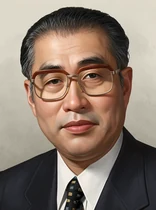
In power on 1 January 2000: Keizō Obuchi (Liberal Democratic Party). Every leader below can come to power in TND, through the elections, coups and roads of its focus tree.
Democratic
 In power, 2000
Keizō Obuchi
Conservatism
Liberal Democratic Party
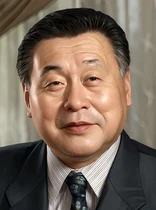
Yoshiro Mori
Conservatism
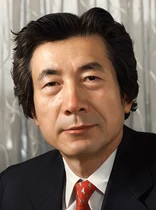
Junichiro Koizumi
Conservatism
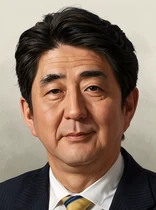
Shinzo Abe
Conservatism
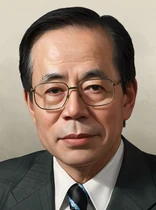
Yasuo Fukuda
Conservatism
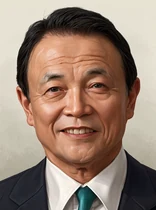
Tarō Asō
Conservatism
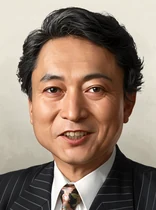
Yukio Hatoyama
Liberalism
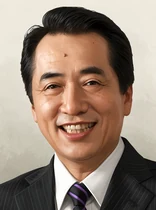
Naoto Kan
Liberalism
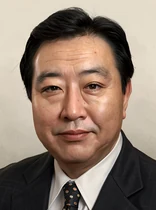
Yoshihiko Noda
Liberalism
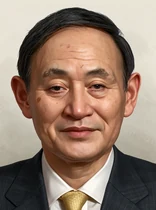
Yoshihide Suga
Conservatism
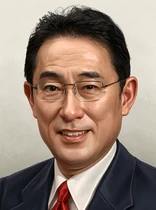
Fumio Kishida
Conservatism
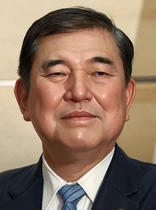
Shigeru Ishiba
Conservatism
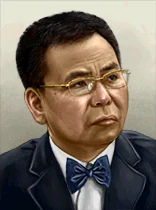
Toru Hashimoto
Populism
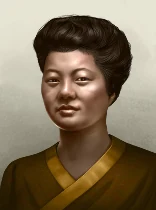
Makiko Tanaka
Populism
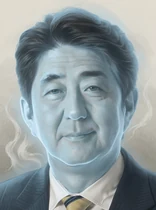
The Ghost of Shinzo Abe
Conservatism
Communist
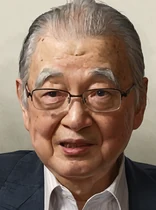
Tetsuzō Fuwa
Marxism
Japanese Communist Party
Fascist
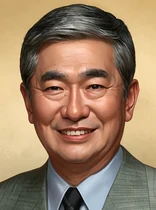
Shintaro Ishihara
Fascism
Independent (nationalist)
Non-Aligned
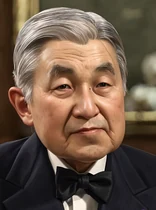
Akihito
Moderatism
Imperial House
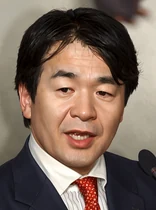
Heizo Takenaka
Moderatism
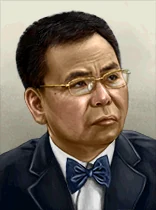
Kenzo Tsukuba
Centrism
The focus tree
Japan's own tree has 708 focuses. It opens with After the Repeal, The Lost Decade, The Lehman Shock, The Self-Defence Forces, Japan's Place, The Heisei Generation and more. By kind: political (408), historical (365), industry (175), army xp (125). Taking every focus, one after another, would take about 49 years - the roads are exclusive, so a playthrough sees only part of it.
Drag to pan, Ctrl + scroll to zoom, click a focus for its description and rewards. Focus names in the guides below jump to it.
Loading the tree...
Path guides
How to reach each of Japan's roads. The same guides are in game, as free decisions in the Japan Path Guide category.
The Road Ahead
How Japan's politics begin:
- Play Obuchi's and Mori's years from : Obuchi's stroke and the five men who chose Mori, the June election, the Kato rebellion, the Ehime Maru, the bad loans, the coalition and the factions, Ozawa's merger talks, , the reform of the ministries, the Emperor and Washington's list. No focus is tied to a date.
- needs every line of these years finished. It calls the general election of 2001; the road is not chosen but won, by the seat count in The Diet decisions.
- 241 of 480 seats is a majority. The LDP and its partners with 241: the LDP renews itself (Koizumi). Else the Democrats' bloc (the DPJ, Liberals, the left, and Komeito or the New Conservatives once out of the coalition) with 241: the Ozawa turn. Else Ishihara's Sunrise Party with 30 seats holds the balance: . Else a hung Diet: the Lost Decade collapse.
- Steer the count: the voters' mood (two seats a point at each election, plus luck), the coalition partners (court or break with Komeito, the New Conservatives and the rest), the opposition's campaigns, Ishihara's recruits, poached defectors and the factions. Breaking with Komeito usually hangs the Diet.
Elections are called by focus, never by the calendar, and every later one is decided by the count too. With historical focuses on, the AI keeps the LDP and makes Koizumi Prime Minister.
The Diet
The seat count:
The House of Representatives' 480 seats, party by party, are in The Diet decisions. A government with fewer than 241 seats with its partners is a minority government (less political power and stability) and faces motions of no confidence.
Partners: court them by decision (they may refuse; ask again in half a year) or break with them. Komeito walks out when After Article 9 reaches a Normal Country unless it is given its peace clause.
The LDP's factions: reform raises their discontent; past 60 they revolt (share out the posts, or let them walk and lose seats). Mochidai money calms them; the voters notice.
Scandals, the postal rebels, assassins and defections move seats between elections.
After Article 9
The signature mechanic:
Article 9 was repealed by referendum in 1998. One bar between the Pacifist Legacy and a Normal Country, shown in the After Article 9 decisions; it starts right of centre.
Towards a Normal Country: army attack, conscription, arms production and volunteers; the Permanent Dispatch Law opens overseas deployment, then , the National Defence Force and at the far end (85 or more, and the Three Non-Nuclear Principles never made law) the bomb. Each big step brings Pacifist Protests and colder China and Koreas.
Towards the Pacifist Legacy: stability, research and goodwill in Asia, a weaker army, and a Washington that sulks.
The American Alliance
Washington wants Japan armed:
With NATO down to America, Britain and Canada, Washington asks Japan to do more: the budget, troops abroad, collective self-defence, the carriers, missile defence. Each request comes as an event, from the tree or about once in two years.
Accepting moves the bar towards a Normal Country and brings American arms, technology and goodwill. Refusing cools Washington: its offers stop until the Make Amends With Washington decision is taken.
Deep enough to the right, the alliance becomes a real mutual-defence treaty, and a Pacific Pact with Australia and Britain follows.
The LDP Renews Itself
The historical road:
- Koizumi Junichiro wins the party vote: reform without sanctuaries, the post office privatised through the postal election, Koizumi theatre, the factions broken, Tanaka Makiko at the Foreign Ministry, the abductees home, Yasukuni and Bush's friendship. need every line finished.
- Abe, then Fukuda (the twisted Diet), then Aso (the Lehman shock); each government's end needs every line of its years.
- , called by focus and decided by the count (the coalition needs 241; the scandals of the Abe, Fukuda and Aso years cost the voters' mood): the Democrats win (historical; Hatoyama, Kan and Noda govern) or Aso holds on. Either way Abe returns in 2012: Abenomics, the security laws and , which needs every line.
The Ozawa Turn
The opposition takes power early:
- Ozawa's merged Democratic Party wins the election Mori could not survive, and Hatoyama becomes Prime Minister with Ozawa running the party: politicians over bureaucrats, the manifesto, a coalition with the Social Democrats and Kamei, the Okinawa bases (Guam or Henoko), an East Asian Community and an equal alliance.
- Washington's displeasure is the road's price. (After Article 9 at 40 or less) holds a second referendum; keeps the repeal.
- need every line finished. , called by focus and decided by the count: with 241 seats Kan Naoto keeps the Democrats in power, or Koizumi's LDP wins a term before the Democrats return. Both end in .
A Normal Country
The nationalist road:
- Hang the Diet of 2001 with Ishihara holding 30 seats (, then his recruits by decision): his Sunrise Party takes power with the LDP's rump.
- Eight lines: the National Defence Force and the carriers, the bomb in the basement (the Ishihara Doctrine needs the bar at 65), saying no to America (a Partnership of Equals or ), the Senkakus and Beijing, the North (a war goal at 80), the Tokyo economy, the nation's memory, and the Sunrise Party.
- needs every line: a two-way race, Ishihara against Hashimoto Toru's Restoration; the party with more seats wins. Each winner has his own government; needs either finished. The bar runs far to the right.
The Lost Decade Collapse
The crisis road:
- Hang the Diet of 2001 with Ishihara short of 30 seats (break with Komeito, let the Nikkei fall): Heizo Takenaka's Cabinet of National Salvation governs, with the Heisei Crash as a spirit (worse if the convoy propped the banks, milder after the Takenaka plan).
- Seven lines: the banks nationalised and reborn, the yen and deflation, the jobless, the parties, the keiretsu, the robots and the state.
- needs every line: a two-way race, Takenaka against Tanaka Makiko's People's Party; the party with more seats wins. Each winner has a government; needs either finished.
Something Hidden
Some roads are hidden:
A Prime Minister may not stay dead. An Emperor may not stay a symbol. And a weapon that is not a weapon may not be forbidden.
Each opens from inside one of the roads, and replaces it. Only one hidden road can open. The AI never takes one when historical focuses are on.
Mechanics
How Japan's own systems work. In game: the Japan: Mechanic Guide decisions.
The Diet
The House of Representatives' 480 seats, party by party, in The Diet decisions. 241 with the government's partners is a majority; under it, A Minority Government (-20% political power, -5% stability) faces motions of no confidence.
Elections are counts: each moves 2 x (the voters' mood + the government's lean + luck) seats between the government's party and its rival. The mood (-30 to +30) falls with scandals and rises with honeymoons and handouts; Tour the Constituencies lifts it.
Partners: court Komeito, the New Conservatives, the Liberals, the Social Democrats or the independents (they may refuse; ask again in half a year), or break with them. Komeito walks out when After Article 9 reaches 75, unless given its peace clause.
The LDP's factions (0-100) rise with reform; past 60 they revolt (share out the posts, or let them walk with 12 seats). Mochidai for the Factions calms them; Readmit the Rebels brings walk-outs back. Poach Defectors, The Opposition Campaigns and Ishihara's Recruits steer the count of 2001, which decides the road.
After Article 9
Article 9 was repealed in 1998. A bar between the Pacifist Legacy and , in the After Article 9 decisions; it starts at Proactive Defence, right of centre.
The ranges: , Exclusively Defence-Oriented, , Proactive Defence, .
To the right: army attack, conscription, arms production and volunteers. The Permanent Dispatch Law (55) opens overseas deployment, (65) a mutual guarantee with America, (75), and the Nuclear Option (85, and only if the Three Non-Nuclear Principles were never made law).
Every step of 5 or more to the right brings Pacifist Protests for half a year and colder China and Koreas. To the left: stability, research, goodwill in Asia, a weaker army and a Washington that sulks.
Decisions: Rewrite the Defence Laws, A Defence White Paper, Constitution Day Rallies, A Dialogue With Asia, Ask Washington for Arms, Make Amends With Washington.
The American Alliance
With NATO down to America, Britain and Canada, Washington asks Japan to do more: the budget, troops abroad, collective self-defence, the carriers, missile defence. Each request comes as an event, from the tree or about once in two years.
Accepting moves After Article 9 towards a Normal Country and brings American arms, technology and goodwill. Refusing cools Washington: its offers stop until Make Amends With Washington.
Deep enough to the right the alliance becomes a real mutual-defence treaty, and a Pacific Pact with Australia and Britain follows.