
The situation in 2000
Goran Persson's Sweden is in the European Union and the euro, but not its Defence Union: two centuries of neutrality, now with NATO gone and Russia across the Baltic. The People's Home - welfare, the wage peace and neutrality - cannot be kept whole for ever.
9
2
2
8.9m
90%
10%
3
22
Resources
Navy
15 ships
- Frigates6
- Submarines9
Air force
200 aircraft
- Fighters200
Ideologies and leaders
In power on 1 January 2000: Goran Persson (Swedish Social Democratic Party). Every leader below can come to power in TND, through the elections, coups and roads of its focus tree.
Democratic
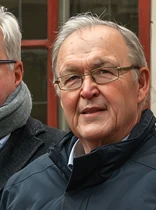 In power, 2000
Goran Persson
Social Democracy
Swedish Social Democratic Party
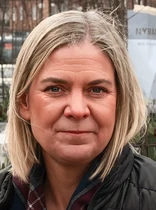
Magdalena Andersson
Social Democracy
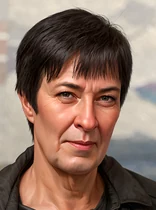
Mona Sahlin
Social Democracy
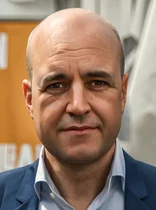
Fredrik Reinfeldt
Conservatism
Communist
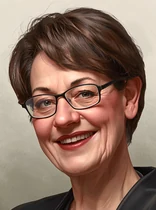
Gudrun Schyman
Marxism
Left Party
Fascist
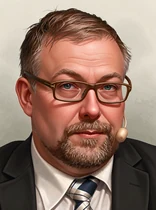
Mikael Jansson
Fascism
Sweden Democrats
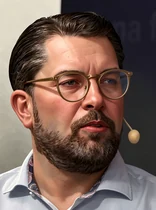
Jimmie Akesson
Fascism
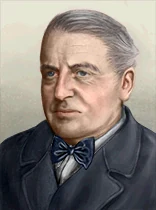
Karl Lejonhufvud
Fascism
Non-Aligned
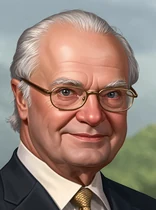
Carl XVI Gustaf
Centrism
Monarchy
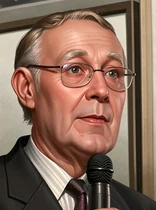
Ingvar Kamprad
Despotism
The focus tree
Sweden's own tree has 375 focuses. It opens with The Welfare State, The Bargain, Persson's Sweden, Non-Alignment, The Red-Greens Govern, The Breakthrough and more. By kind: historical (262), political (206), industry (111), army xp (58). Taking every focus, one after another, would take about 27 years - the roads are exclusive, so a playthrough sees only part of it.
Drag to pan, Ctrl + scroll to zoom, click a focus for its description and rewards. Focus names in the guides below jump to it.
Loading the tree...
Path guides
How to reach each of Sweden's roads. The same guides are in game, as free decisions in the Sweden Path Guide category.
The People's Home
How Sweden's tree works:
Folkhemmet, the People's Home, stands on three pillars - the Welfare State, the Bargain (the wage peace between the unions and the employers) and Neutrality - each 0-100 (the People's Home decisions). Each pillar is a tall branch of the tree, and nearly every focus raises one pillar and lowers another: you cannot have them all.
Above 50 a pillar helps (stability, factories, goodwill abroad); below 50 it hurts, and below 25 it cracks. Each branch ends in a choice: shore the pillar up, or spend it - and Neutrality's choice is whether to ask to join the Defence Union.
The Election of 2006
How Sweden's politics go:
Play Persson's years in the middle of the tree: the red-green pact, the euro referendum, the tsunami, and the rise of the Alliance and the Sweden Democrats.
goes by the pillars: the Welfare State at 60 and the Bargain at 50 keep the Social Democrats (Mona Sahlin); otherwise Neutrality at 75 with the Bargain under 50 brings the Sweden Democrats; otherwise the Alliance governs (Reinfeldt, historical). Elections are called by focus, never by the calendar.
Something Hidden
Some roads grow out of the pillars:
A pillar pushed very high can open a road that replaces the government: one comes from the Bargain's market reforms, one from . Only one can open; the AI never takes one when historical focuses are on.
Mechanics
How Sweden's own systems work. In game: the Sweden: Mechanic Guide decisions.
The People's Home
Folkhemmet stands on three pillars, each 0-100, shown in The People's Home decisions: the Welfare State (starts 75), the Bargain - Saltsjobaden's wage peace between the unions and the employers (65) - and Neutrality (70).
Nearly every focus raises one pillar and lowers another: you cannot have them all.
Together they are one spirit: stability and consumer goods from the Welfare State, factory output and efficiency from the Bargain, opinion gain and less war support from Neutrality - each working for Sweden above 50 and against it below. A pillar under 25 cracks.
Each pillar's branch ends in a choice: shore it up, or spend it. Neutrality's is whether to ask to join the Defence Union, or go back to armed neutrality. is read from the pillars.