
The situation in 2000
Belgium hosts the Union, its Defence Union and what is left of NATO's memory. Guy Verhofstadt governs a federal kingdom where Flanders and Wallonia agree on less every year.
13
1
0
10m
75%
30%
3
9
Resources
Air force
90 aircraft
- Fighters90
Ideologies and leaders
In power on 1 January 2000: Guy Verhofstadt (Flemish Liberals and Democrats). Every leader below can come to power in TND, through the elections, coups and roads of its focus tree.
Democratic
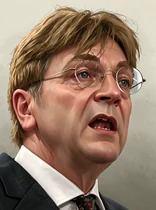 In power, 2000
Guy Verhofstadt
Liberalism
Flemish Liberals and Democrats
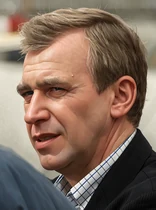
Yves Leterme
Conservatism
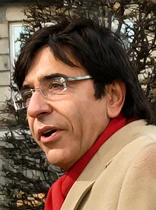
Elio Di Rupo
Social Democracy

Bart De Wever
Populism
Communist
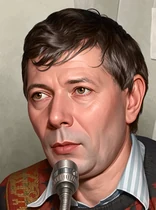
Ludo Martens
Anti-Revisionism
Workers' Party of Belgium
Fascist
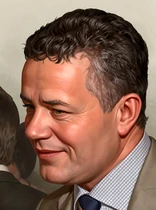
Frank Vanhecke
Fascism
Vlaams Blok
Non-Aligned
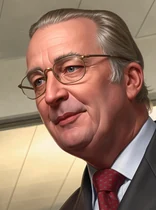
Albert II
Moderatism
Monarchy
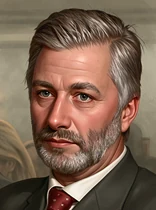
Philippe of Belgium
Absolute Monarchy
The focus tree
Belgium's own tree has 265 focuses. It opens with The Flemish Region, The Walloon Region, The Rainbow Coalition, Verhofstadt II, The Caretaker Cabinet, A Walloon Premier. By kind: political (176), historical (65), industry (64), army xp (25). Taking every focus, one after another, would take about 52 years - the roads are exclusive, so a playthrough sees only part of it.
Drag to pan, Ctrl + scroll to zoom, click a focus for its description and rewards. Focus names in the guides below jump to it.
Loading the tree...
Path guides
How to reach each of Belgium's roads. The same guides are in game, as free decisions in the Belgium Path Guide category.
Federal Cohesion
How Belgium's tree works:
A bar runs from Flanders on the left to Wallonia on the right. Every focus of the Flemish half pushes it left, every focus of the Walloon half pushes it right, and the Brussels column and the Federal Summit pull it back to the middle. Where the bar stands decides which road can open.
The decisions under Federal Cohesion move it by hand: back the Flemish demands, back the Francophone Front, the transfers to the south, fiscal autonomy for the regions.
The Three Columns
How Belgium's politics go:
The tree is three columns side by side: Flanders, the federal government in Brussels, and Wallonia. After the election of 2003 four roads open, each under its own column: the federal road of Verhofstadt, Leterme and Di Rupo (the bar near the middle; historical), the Flemish road (, the bar far to the left), the Walloon-led road (, the bar far to the right) and Government-less Belgium. Taking one closes the others.
Something Hidden and Something Without a Vote
Two things are not like the others:
Government-less Belgium opens when the parties cannot agree: the decision Let the Caretakers Carry On. The cabinet that resigned stays, and rules by royal decree. It is an ordinary road, and it runs better than most. Another road, hidden, grows out of the Benelux talks of the federal road: it replaces the government, only one hidden road can open, and the AI never takes it when historical focuses are on.
Mechanics
How Belgium's own systems work. In game: the Belgium: Mechanic Guide decisions.
Federal Cohesion
A bar runs from Flanders on the left to Wallonia on the right, in the Federal Cohesion decisions. Every focus of the Flemish half pushes it left, every focus of the Walloon half pushes it right, and the Brussels column and the Federal Summit pull it back to the middle. Where the bar stands decides which road can open.
After the election of 2003 four roads open, each under its own column: the federal road (the bar near the middle; historical), the Flemish road and the Walloon-led road (each needs the bar 20 points its way and its half's capstone), and Government-less Belgium, by decision, when the caretakers carry on. Taking one closes the others.
Elections are called by focus: the voters' mood and luck decide them.